The Rich Symbolism and Colorful Meaning of Peony Flowers
Posted on 13/06/2025
The Rich Symbolism and Colorful Meaning of Peony Flowers
The peony flower is more than just a stunning bloom prized by gardeners--their vibrant colors, lush petals, and enchanting fragrance have made them beloved subjects in art, literature, and culture across the globe. But beyond their irresistible beauty, peonies carry a deep wealth of symbolism and meaning, enriched by centuries of tradition and lore. In this guide, we will explore the rich symbolism and colorful meaning of peony flowers, along with their cultural significance, historical context, and their use in modern-day life.
The Peony: A Brief Introduction
Known for their large, ruffled blooms and captivating scent, peonies belong to the Paeoniaceae family, with species native to Asia, Europe, and North America. Whether gracing a spring garden, an ornate bridal bouquet, or a celebrated Chinese painting, these flowers are instantly recognizable and universally admired.
- Scientific name: Paeonia
- Native regions: China, Europe, and North America
- Flowering season: Late spring to early summer
- Colors: White, pink, red, yellow, coral, and purple
The Peony's Enchanting Appeal
The lushness of peony blossoms often symbolizes abundance, prosperity, and good fortune. Their fleeting but flamboyant blooming season adds an air of rarity, making them all the more cherished. Whether as garden centerpieces, artistic symbols, or tokens of deep emotional meaning, peony flowers continue to captivate hearts around the world.

The Deep Symbolism Behind Peonies
Peonies have earned a prestigious place in the symbolic language of flowers, known as floriography. Across cultures and eras, the meaning of peony flowers has evolved, often embodying the ideals of love, honor, romance, and wealth.
Peony Flower Meaning in Eastern Culture
- China: Known as the "King of Flowers," peonies are a symbol of wealth, beauty, honor, and high social status. They are often associated with feminine beauty and are a frequent motif in Chinese art, festivals, and literature.
- Japan: In Japanese culture, peonies represent bravery, honor, and good fortune. Considered auspicious, they are often included in tattoos and traditional art to invoke these qualities.
- Korea: Peonies symbolize wealth, nobility, and happiness. They are widely admired for their extravagant beauty and are common in traditional wedding ceremonies.
Peonies in Chinese Art and Mythology
In China, peonies have been venerated for over 2,000 years. The "Peony Pavilion," a famous Chinese play, places peonies at the center of a romantic and tragic tale. Chinese myth links the peony's beauty to imperial grace and enduring love, making it a favorite at weddings and national celebrations.
Peony Symbolism in Western Culture
- Romance & Marriage: In the West, peonies are a classic choice for wedding bouquets, representing a happy marriage, romance, and a prosperous future.
- Healing & Protection: Ancient Greeks associated peonies with healing, naming them after Paeon, the physician of the gods. They believed the flower possessed protective powers and magical properties.
- 12th Wedding Anniversary: The peony is the traditional flower of the twelfth wedding anniversary, symbolizing lasting love, good luck, and a resilient partnership.
Colorful Meanings of Peony Flowers
Peonies come in a spectrum of breathtaking colors, each radiating unique symbolism. Understanding the meaning of peony colors can help you choose the right bloom for any occasion--whether gifting, decorating, or planting.
Popular Peony Flower Colors and Their Symbolism
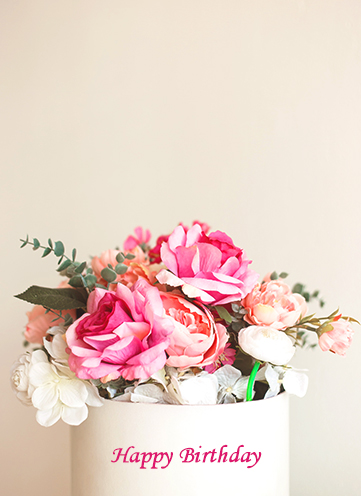
- Pink Peonies: Widely associated with romance, grace, femininity, and gentle love. They're the top choice for weddings and new relationships. Pink peony flowers also symbolize prosperity and innocence.
- Red Peonies: Signify passionate love, respect, honor, and strength. Red is an important color in Chinese culture, representing joy and good fortune. Red peonies are commonly seen in celebratory contexts.
- White Peonies: Stand for purity, sincerity, apology, and remembrance. They are sometimes used at weddings but are also suitable for expressing regrets or paying respects.
- Yellow Peonies: Symbolize renewal, fresh beginnings, and good luck. Yellow peony flowers are cheery and can light up any environment, perfect for wishing someone happiness.
- Purple Peonies: Convey royalty, luxury, and uniqueness. Rarer than other shades, purple peonies make a dramatic, sophisticated statement.
- Coral Peonies: Represent energy, enthusiasm, and desire. Their warm glow makes them perfect for celebrations or to convey admiration.
Peony Flowers in Art, Literature, and Mythology
Peonies have left an indelible mark on art, poetry, mythology, and popular media. From ancient murals to contemporary design, their visual and symbolic power remains undiminished.
Peonies in Chinese and Japanese Art
Peonies are a favorite motif in Chinese brush paintings, embroidery, porcelain, and woodblock prints, celebrated for their lush silhouette and status-enhancing implications. In Japanese tattoos, bold peonies often accompany lions or dragons--contrasting ferocity with beauty, and power with elegance.
Mythical & Literary References
- Greek Mythology: Named after Paeon, student to Asclepius--the god of medicine--the peony was believed to heal wounds caused by gods.
- Victorian Language of Flowers: Victorians used peonies to convey bashfulness or shyness and sometimes as an expression of 'shame' due to their large, showy blooms that seem to avoid attention once fully open.
Cultural Celebrations & Traditions
Peonies in Festivals and Ceremonies
- Luoyang Peony Festival: Held annually in China's ancient city of Luoyang, this spectacular festival showcases the largest and rarest peony blooms, attracting tourists from all over the world.
- Weddings: Peonies are a traditional symbol for good fortune and a happy marriage in many cultures. Brides often carry peony bouquets to bless their union with abundance and harmony.
- New Year Celebrations: Peonies are displayed in homes and temples during Lunar New Year as a charm for health, luck, and prosperity in the coming year.
Modern Uses and Popularity
- Gardens: With their long lifespan and vigorous return each season, peonies are a treasured perennial in home gardens worldwide.
- Home Decor: Their lush, voluminous blooms are adored in vases and centerpieces for interiors looking to capture elegance and freshness.
- Weddings and Events: As the 'it-flower' for stylish nuptials, peonies are featured in bouquets, boutonnieres, and table arrangements.
Peonies in Modern Symbolism: What They Mean Today
Peony flowers continue to be rich in symbolism in contemporary life: they represent everything from self-expression and healing to celebration and remembrance. Each color, variety, and arrangement has a unique message to deliver, perfect for a variety of occasions including:
- Congratulatory gifts for milestones or achievements
- Tokens of hope and encouragement during difficult times
- Expressions of heartfelt emotion--from apologies to declarations of love
- Commemorative bouquets for anniversaries, graduations, and birthdays
How to Choose and Care for Peony Flowers
Tips for Selecting Peonies
- Choose peonies with tightly closed buds for longer vase life.
- Select colors that match the message or mood you want to convey.
- Consider fragrance, as some varieties are more aromatic than others.
Caring for Cut Peonies
- Trim stems at an angle and remove leaves below the waterline.
- Use cold, clean water and refresh it every two days.
- Display peonies away from direct sunlight and heat to extend their bloom time.
Growing Peonies at Home
- Plant peonies in well-drained soil and full sun.
- Space plants adequately--peonies spread generously over time.
- Patience yields results, as newly planted peonies often take two to three years to fully establish and bloom abundantly.

Interesting Facts about Peonies
- Longevity: Some peony plants can live for over 100 years when cared for properly!
- Medicinal Uses: Traditionally, peonies were used to treat headaches, asthma, menstrual cramps, and even nightmares.
- Award-Winning: Peonies have been named the national flower of China and the state flower of Indiana, USA.
- Pest-resistant: Peonies are seldom bothered by deer or rabbits, making them a hearty garden choice.
Conclusion: The Everlasting Allure of Peony Flowers
Peony flowers are more than decorative plants--they embody centuries of tradition, symbolism, and beauty. Their remarkable color range allows them to convey a full spectrum of emotions and serve multiple roles in cultures worldwide.
Whether you admire them for their lush appearance, their ancient history, or their deep symbolic meaning, peonies are a testament to the power of nature's artistry. Celebrate life's biggest moments--or simply your everyday joys--with the unmistakable charm and meaning of peony flowers. Their symbolism of wealth, honor, romance, and good fortune make them a timeless classic in gardens, bouquets, and hearts around the world.
Bring the majestic beauty and symbolism of peonies into your life:
- Gift them to loved ones to express heartfelt emotions
- Incorporate their imagery into your art and home decor
- Plant them in your garden as a living legacy
In every color and culture, peony flowers continue to captivate and inspire--an enduring symbol of abundance, love, and life's most treasured moments.
Latest Posts
Comprehensive Orchid Care Tips and Tricks
The Romantic Story of Valentine's Day Red Roses
Introducing 12 Flowers for Long-Lasting Blooms