Learn to Master the Art of Caring for Cut Flowers
Posted on 29/06/2025
Learn to Master the Art of Caring for Cut Flowers
Fresh cut flowers bring joy, color, and a breath of nature into every home. Whether you love receiving bouquets, prefer to pick garden blooms, or often decorate with floral arrangements, mastering the art of caring for cut flowers is essential to make them last longer and look their best. In this comprehensive guide, you'll discover everything you need to know about maintaining cut flowers, from selecting the best stems to prolonging their beauty and freshness.
Why is Proper Cut Flower Care Important?
Did you know that with the right techniques, many cut flowers can last twice as long? Cut flowers begin to decline as soon as they're separated from their roots. Without proper care, stems wilt, petals drop, and your beautiful arrangement quickly loses its charm. Learning to care for cut flowers not only enhances their lifespan but also maximizes your investment, reduces waste, and lets you enjoy vibrant blooms for days or even weeks.
Benefits of Learning How to Take Care of Cut Flowers:
- Increase Vase Life: Well-cared-for flowers can last up to three weeks!
- Save Money: Prolonging flowers' lives reduces the need to buy new bouquets frequently.
- Enhance Home Decor: Fresh and vivid blossoms add beauty and atmosphere to any space.
- Reduce Waste: Longer-lasting arrangements mean less environmental impact.
- Emotional Well-being: Enjoying bursts of color and fragrance boosts mood and relaxation.

The Essential Steps in Cut Flower Maintenance
1. Choosing and Preparing the Right Stems
It all begins with selection. Picking the freshest flowers is critical, whether from a florist or your garden. Here's how to identify quality stems:
- Check petals: Choose blooms just beginning to open for increased vase life.
- Inspect leaves: Fresh, green leaves are a sign of a healthy stem. Avoid flowers with wilted or yellowing foliage.
- Examine stems: Firm, upright stems indicate recent cutting and enhanced vitality.
- Avoid bruises: Damaged petals or browning at stem ends may signal old or stressed flowers.
Pro Tip: If harvesting from your own garden, cut flowers early in the morning or late in the afternoon when temperatures are cooler and stems are well-hydrated.
2. Trimming and Conditioning
As soon as you bring your flowers home, or pick them from the garden, conditioning is the critical first step for maximizing vase life.
- Clean Your Tools: Use a sharp, clean knife or flower scissors to avoid bacteria transfer and crushing the stems.
- Cut at an Angle: Always trim stems at a 45-degree angle, ideally under water. This exposes more surface area for water absorption and prevents air bubbles from blocking uptake.
- Remove Lower Leaves: Strip any leaves that will sit below the water line in the vase. Leaves submerged in water decompose rapidly and foster bacterial growth, shortening the life of your arrangement.
- Immediate Hydration: Place cut stems directly into lukewarm water as soon as possible.
*Tip: Re-cutting stems every few days helps maintain hydration and prevents blockage from bacteria.
3. Selecting the Perfect Vase and Water
Select a vase that is tall enough to support your chosen flowers, with enough room for the stems to spread out comfortably.
- Thorough Cleaning: Wash the vase with hot, soapy water before use to eliminate bacteria and residue.
- Water Temperature: Fill the vase two-thirds full with lukewarm water. Most flowers absorb warm water more quickly, except bulb flowers (like tulips or daffodils), which prefer cold water.
- Change Water Regularly: Refresh the water every 2-3 days, always rinsing the vase and re-cutting stems for best results.
Simple Floral Food Recipes for Superb Bouquet Care
Store-bought flower food packets help provide nutrients and control bacteria, but you can easily make your own floral solutions at home for caring for fresh cut flowers:
DIY Flower Food Recipe:
- 2 cups water
- 1 tablespoon sugar (feeds the flowers)
- 1 tablespoon white vinegar or lemon juice (controls bacteria and adjusts pH)
Stir until dissolved, and add to your flower vase with each water change.
*Tip: For really long-lasting displays, add a drop of household bleach instead of vinegar to further inhibit bacteria.
How to Arrange Flowers for Optimal Vase Life
The way you arrange your cut flowers can greatly influence their appearance and freshness. Here's how to keep each stem looking its best:
- Layer by Height: Start with the tallest stems in the center or at the back, then fill in with shorter or more delicate flowers.
- Don't Crowd the Vase: Overfilled vases restrict airflow and speed up decay. Aim for a loose, balanced arrangement.
- Mix in Greens: Foliage like eucalyptus, ferns, and ruscus not only adds dimension to your bouquet but helps keep flowers spaced out and healthier.
Popular Long-Lasting Cut Flowers
- Alstroemeria (Peruvian Lily)
- Carnations
- Chrysanthemums
- Roses (with proper care)
- Lilies
- Orchids
- Sunflowers
- Statice and Baby's Breath
Choosing these flowers for your arrangements can help beautify your home for longer with the right cut flower care tips.
Quick-Reference Cut Flower Care Checklist
- Choose fresh, healthy blooms
- Cut stems at a slant under water
- Remove leaves below water line
- Use clean vases and tools
- Change water and flower food every 2-3 days
- Keep flowers out of direct sunlight and away from heat sources
- Isolate from ripening fruit (which emit ethylene gas that wilts flowers)
Common Mistakes in Cut Flower Care--And How to Avoid Them
Learning how to care for cut flowers means knowing what not to do, as well. Here are the most frequent mistakes and easy solutions:
- Neglecting Cleanliness: Bacteria is the enemy of fresh flowers. Always clean your vase and tools thoroughly.
- Forgetting Water Changes: Stagnant water spoils your arrangement fast. Mark your calendar to refresh every other day.
- Ignoring Stem Re-cuts: Dry stem ends block water and nutrients. Never skip re-trimming when you change the water.
- Heat and Draft Exposure: Never place your arrangement near radiators, TV tops, or drafty windows--these spots dry out and wilt flowers quickly.
- Mixing Gassy Fruits: Keep bouquets far from bananas and apples, which release ethylene gas and speed decay.
Special Care for Unique Flower Types
Not all flower varieties behave the same when cut. Understanding their unique needs is critical for advanced flower care:
Daffodils and Narcissus:
- Release sap that can shorten the life of other flowers. Condition them alone in water overnight, then rinse stems before arranging with other blooms.
Roses:
- Remove guard petals (outermost petals) for a more pristine look.
- Use a tall vase to support heavy heads and cut stems underwater to prevent air blockages.
Lilies:
- Remove pollen-laden stamens with care to avoid staining petals or your tablecloth.
- Snap off wilting blooms promptly to maintain arrangement appearance.
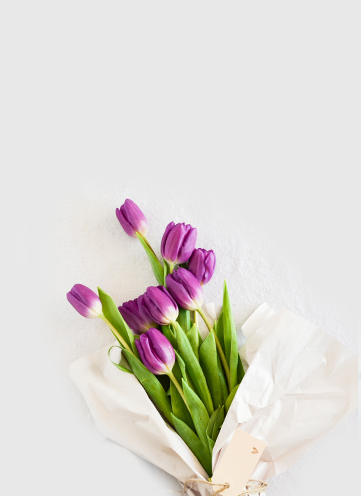
Tulips:
- Place in tall, straight-sided vases to encourage upright stems.
- Change cold water frequently as tulips continue to "grow" after cutting.
FAQs: The Art of Prolonging Cut Flowers
How long should fresh cut flowers last?
With ideal care, most cut flowers look vibrant for 7-10 days. Some, like carnations and chrysanthemums, can remain gorgeous for three weeks or more!
Is aspirin or soda really helpful in cut flower care?
While some swear by adding a crushed aspirin or a bit of clear soda (like Sprite) to the water, professional studies suggest that homemade sugar-and-acid flower food is more effective. Soda can work, but only in moderation!
Why do flowers droop so quickly in the vase?
Drooping can be caused by air bubbles in stem cells, lack of water, or bacteria buildup. Ensuring clean water, sharp angled cuts, and regular maintenance prevents most drooping.
Is it bad to remove petals or foliage from flowers?
Removing damaged petals improves appearance. It's essential to remove all leaves below the water line to slow decay.

Expert Tips for Mastering the Art of Caring for Cut Flowers
-
Hydrate, Hydrate, Hydrate:
Never let water drop below half a vase. Flowers take up more water than you think! -
Keep Away from Direct Sunlight:
Place arrangements in cool, shaded spots--not on sunny windowsills. -
Enjoy Single Stems, Too:
Even just one or two blooms in a bud vase can brighten a space and are often easier to maintain. -
Experiment with Unusual Greens:
Herbs like rosemary or mint not only look lovely, but add fragrance and deter pests. -
Embrace Seasonality:
Use summer annuals, spring bulbs, or autumn grasses to match your floral decor to the time of year for a fresh, modern look.
Conclusion: Enjoying Your Floral Artistry
Learning to master the art of caring for cut flowers transforms your appreciation and enjoyment of nature's most beautiful gifts. By choosing quality blooms, understanding correct preparation, using suitable vases, feeding your flowers, and maintaining optimal conditions, you can revel in fresh, stunning arrangements for days on end. Whether you're a casual flower lover or an aspiring florist, the techniques shared here will help you prolong the beauty of cut flowers and fill every corner of your home with vibrant, healthy blooms.
Ready to try it yourself? Next time you bring home a bouquet, remember these steps and watch your cut flowers flourish like never before!
Latest Posts
Comprehensive Orchid Care Tips and Tricks
The Romantic Story of Valentine's Day Red Roses
Introducing 12 Flowers for Long-Lasting Blooms