Expert Tips for Beautiful Hydrangeas
Posted on 25/06/2025
Hydrangeas are among the most enchanting and versatile flowering shrubs you can introduce to your garden. Known for their large, showy blooms and vibrant color range, these plants can instantly elevate the charm of any landscape. Whether you're a seasoned horticulturist or a budding gardening enthusiast, learning expert tips for beautiful hydrangeas will ensure your plants thrive and dazzle all season long. This comprehensive guide uncovers essential practices, care techniques, and secret hacks for creating stunning hydrangeas that become the envy of your neighborhood.
Understanding Hydrangea Varieties
Mastering the art of growing gorgeous hydrangeas begins with understanding their varieties. The most popular types include:
- Bigleaf Hydrangeas (Hydrangea macrophylla) - Known for large, globe-like flowers and color-changing blooms.
- Panicled Hydrangeas (Hydrangea paniculata) - Featuring cone-shaped white blooms that fade to pink.
- Smooth Hydrangeas (Hydrangea arborescens) - Noted for their resilience and large, round flower heads, like 'Annabelle'.
- Oakleaf Hydrangeas (Hydrangea quercifolia) - Recognizable by their unique oak-shaped leaves and white-to-pink flowers.
- Climbing Hydrangeas (Hydrangea anomala subsp. petiolaris) - Perfect for trellises and walls, presenting fragrant clusters of white blooms.
Tip: Choose the hydrangea type that best matches your garden's sun, soil, and space conditions for optimal results.
The Right Location: Setting Hydrangeas Up for Success
Sunlight Requirements
Hydrangeas generally prefer morning sun with afternoon shade. Excessive midday sunshine can scorch their leaves, while insufficient sunlight may reduce flower production. Bigleaf and oakleaf hydrangeas especially benefit from shade during the hottest part of the day.
- Choose an east-facing location for best balance.
- Panicled hydrangeas tolerate more sun than other varieties.
- Monitor young plants; move if leaves yellow or wilt.
Soil Conditions
Well-drained, consistently moist soil is key to healthy hydrangeas. They dislike soggy spots that can cause root rot. Enhance your garden soil by:
- Mixing in organic matter such as compost or well-rotted manure.
- Testing pH levels, as it can affect flower color (explained later).
- Avoiding heavy clay or extremely sandy soil unless amended.
Expert tip: Work in compost every spring to replenish nutrients without harming roots.
Planting Hydrangeas Correctly
Success with gorgeous hydrangea flowers starts with proper planting. Here's how to give your hydrangea shrubs the best start:
- Dig Proper Holes: Make holes twice the width of the root ball but just as deep.
- Spacing: Leave 3-10 feet apart, depending on variety, to allow airflow and mature size.
- Plant Level: Ensure the top of the root ball is level with surrounding soil.
- Backfill and Water: Fill with enriched soil and water thoroughly.
- Mulch: Apply a 2-3 inch layer of bark mulch to conserve moisture and suppress weeds. Keep away from the base of stems to avoid rot.
Planting in fall or early spring gives plants time to establish roots before the heat of summer.
Watering: Keeping Hydrangeas Hydrated
Consistent watering is vital. Hydrangeas need plenty of moisture, especially during hot spells or drought. Under-watering can lead to wilting, while overwatering may result in root rot. Follow these watering tips:
- Check soil moisture 2-3 times a week during growing season.
- Deep watering is better than frequent, shallow watering.
- Morning is the best time to water.
- Mulching retains soil moisture and moderates temperature.
Note: If you notice drooping leaves in the afternoon, this is normal in direct sun; they should recover by evening. If not, water more deeply.
Feeding for Vibrant, Profuse Blooms
Fertilizer Choices
Beautiful, lush hydrangea blooms depend on proper nutrition. Here are key fertilizer tips:
- Balance nutrients: Use a slow-release, balanced fertilizer in early spring. A 10-10-10 or 12-4-8 formula works well.
- Organic options: Well-rotted manure or compost naturally feeds hydrangeas.
- Don't over-fertilize: Too much nitrogen produces lush foliage but fewer flowers.
Expert tip: For repeat blooming varieties, feed lightly again after the first flush of flowers.
Adjusting Soil pH for Flower Color
A unique trait of bigleaf hydrangeas is the ability to change flower color based on soil pH:
- Acidic soil (pH below 6): Produces blue flowers
- Neutral to alkaline soil (pH 6-7): Turns flowers pink or even red
To make flowers bluer: Add aluminum sulfate or garden sulfur.
To make flowers pink: Apply lime to raise soil pH.
Always test your soil before making adjustments and apply amendments gradually.
Pruning Hydrangeas: Achieve Shape and Encourage Blooms
Pruning is vital for spectacular hydrangea bushes. However, technique and timing depend on the type of hydrangea:
- Bigleaf (Hydrangea macrophylla) & Oakleaf:
- Bloom on "old wood" (growth from the previous year).
- Prune after flowering in summer.
- Remove just flowered stems & old, weak branches.
- Panicled & Smooth Hydrangeas:
- Bloom on "new wood" (current year's growth).
- Prune in late winter or early spring before buds break.
Essential tip: Over-pruning or pruning at the wrong time may remove next season's flower buds!
Common Pests and Problems (Plus Solutions!)
Even with attentive care, hydrangeas can encounter a few setbacks. Staying vigilant helps prevent issues:
- Leaf spots and powdery mildew: Ensure good air circulation. Apply fungicides only as needed; water at soil level, not on leaves.
- Aphids, spider mites, and slugs: Inspect plants weekly. Wash off pests with a hose or use insecticidal soap for infestations.
- Wilting and yellowing: Sign of overwatered or waterlogged soil. Adjust your watering and improve drainage.
- Winter damage: Mulch well before hard frosts. In very cold climates, protect with burlap wraps.
Special Care Tips for Show-Stopping Hydrangeas
- Deadhead spent flowers: Snip off faded blooms to redirect energy to new buds and maintain neatness.
- Remove suckers: Trim off unwanted shoots at the base to keep your hydrangea healthy and well-formed.
- Staking: Use discreet plant supports for floppy stems after heavy rain.
- Transplanting: Move mature plants only in early spring or late autumn, when dormant to reduce shock.
Hydrangeas love a little extra pampering! Foliar feeding with diluted seaweed solution can give a quick nutrient boost during active growth periods.
Creative Ideas for Hydrangea Displays
Hydrangeas deliver remarkable flexibility--even beyond the garden. Try these inspired uses:
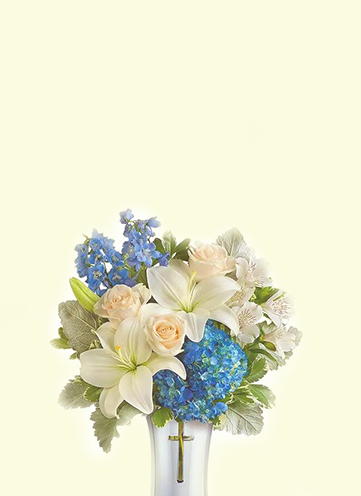
- Cutting gardens: Hydrangeas are some of the longest-lasting cut flowers for vases and bouquets.
- Mixed borders: Pair with roses, hostas, or ornamental grasses for striking contrast and texture.
- Container planting: Use dwarf hydrangeas in large pots for patios or balconies.
- Drying hydrangeas: Hang flower heads upside down in a dark, dry room to enjoy year-round beauty.
Key Seasonal Hydrangea Care Calendar
To maximize the beauty of your hydrangeas all year, follow this seasonal guide:
- Spring:
- Remove winter mulch in late March/early April.
- Apply fertilizer and organic mulch.
- Prune new-wood blooming varieties.
- Summer:
- Monitor moisture, especially during drought.
- Deadhead spent flowers for more blooms.
- Watch for pests and diseases.
- Fall:
- Reduce feeding; let plants prepare for dormancy.
- Mulch base, especially for tender varieties.
- Winter:
- Protect with burlap or cloches in colder zones.
- Avoid pruning in winter except for panicle and smooth types.
Frequently Asked Questions about Beautiful Hydrangeas
- How do I get my hydrangea to bloom more?
Correct pruning, consistent feeding, and ensuring enough sunlight are crucial. - Why are my hydrangea leaves turning yellow?
Overwatering, poor drainage, or nutrient deficiencies are commonly to blame. - Can I grow hydrangeas in pots?
Absolutely! Choose dwarf or compact varieties, use rich potting soil, and water frequently. - How do I keep blue hydrangea flowers?
Maintain acidic soil (add aluminum sulfate) and avoid lime-based amendments. - When should I cut hydrangeas for bouquets?
Early morning, when blooms are just opening and well-hydrated.
Conclusion: Cultivating Stunning Hydrangeas Year After Year
Beautiful hydrangeas don't just happen by chance--they're the result of thoughtful planning, dedicated care, and a touch of creative flair. By understanding your hydrangea type, choosing the right spot, watering properly, feeding thoughtfully, and pruning with confidence, you'll usher in lush foliage and dense, vibrant flower heads each season.
Remember, the journey to stunning hydrangeas is as rewarding as the dazzling results. Stay curious, experiment with your soil and plant partners, and enjoy the evolving beauty these extraordinary plants bring to your garden.
Start applying these expert tips for beautiful hydrangeas today, and transform your outdoor space into a floral masterpiece.