7 eye-opening tulip facts to enrich your knowledge
Posted on 09/06/2025
7 Eye-Opening Tulip Facts to Enrich Your Knowledge
Tulips are among the world's most beloved spring flowers, gracing gardens, parks, and floral arrangements with vibrant hues and elegant shapes. But beyond their beauty, tulips carry a fascinating history and a wealth of intriguing details. Whether you're a gardening enthusiast, a history buff, or simply curious about nature's wonders, these eye-opening tulip facts will elevate your appreciation for these exquisite blooms. Dive into our comprehensive guide and discover seven compelling aspects of tulips you might never have imagined!
1. The Incredible Journey of the Tulip: Origin and History
- Native Lands: While often associated with the Netherlands, tulips originate from Central Asia, particularly in the mountainous regions stretching across present-day Turkey, Kazakhstan, and Iran.
- Name Etymology: The word "tulip" comes from the Persian word "dulband", meaning turban, which refers to the flower's turban-like shape.
- Spread to Europe: Tulips captured Western European imaginations in the 16th century when the Ottoman Empire introduced them to Vienna. From there, they quickly spread across the continent, especially flourishing in the Netherlands.
Tulips became a symbol of abundance and even social status, with their elegance driving passionate collectors and gardeners to nurture and trade rare varieties. Their journey from wild Asian steppes to global gardens is truly remarkable, making tulips one of the most cultivated ornamental flowers worldwide.
2. Tulip Mania: The World's First Recorded Economic Bubble
- Frenzied Speculation: In the 1630s, the Netherlands experienced a period known as Tulip Mania, when the demand for rare tulip bulbs soared. Prices escalated dramatically, with some single bulbs selling for the price of a house!
- Market Crash: The speculative bubble eventually burst, sending prices plummeting and prompting panic among speculators and traders.
- Lasting Legacy: The term "tulip mania" endures as a cautionary tale of economic excess and the power of market psychology, illustrating how the tulip flower shaped financial history.
This moment in Dutch history is often recalled as the first major financial bubble, and it highlights just how influential tulips have been--well beyond the world of horticulture.
3. A Rainbow of Colors: The Surprising Variety of Tulips
- Vast Range of Shades: With over 3,000 registered varieties, tulips bloom in an astonishing spectrum of colors--almost every shade except for true blue.
- Unique Patterns: Thanks to centuries of crossbreeding, you'll encounter tulips with solid hues, stripes, flames, and fringed petals, each offering unique visual delight.
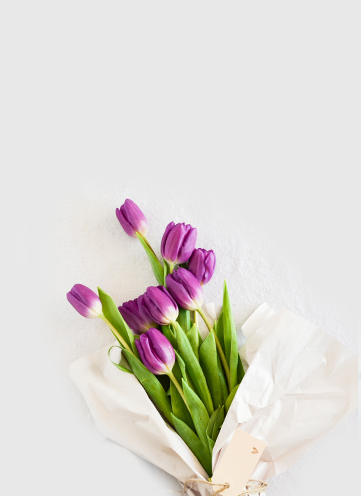
- Symbolic Meanings: Each tulip color holds a special meaning. Red tulips express love, yellow symbolizes cheerfulness, white stands for forgiveness, and purple conveys royalty.
One of the most fascinating tulip facts is this: the famous "broken" or streaked patterns found in antique tulips result from a viral infection (Tulip Breaking Virus), which disrupts petal pigmentation, creating spectacular variegated flowers prized during Tulip Mania.
4. Tulips Are Edible... But with a Twist!
- Sustenance in Hard Times: Believe it or not, tulip bulbs were used as a food source during World War II, especially in the harsh winter of 1944-45 in the Netherlands. People made flour from the bulbs to bake bread or even ate them as a last resort.
- Culinary Curiosity: While some petals are safe for consumption and even used in gourmet salads or as cake decorations, the bulbs themselves can be toxic if improperly prepared.
- Expert Advice: Always consult a professional before considering any tulip parts for the plate. For most, tulips are better admired than eaten!
This unexpected aspect underscores the tulip's resilience and usefulness beyond their sheer ornamental value. However, always exercise caution when experimenting with tulip flower edibility.
5. Global Icon: The Dutch Love Affair with Tulips
- National Symbol: Although tulips are not the official flower of the Netherlands, they remain an enduring national icon. Dutch fields brimming with rainbow stripes of blooming tulips each spring are a breathtaking sight and a global attraction.
- Major Industry: The Netherlands is the world's leading producer and exporter of tulip bulbs, shipping billions of bulbs annually and hosting renowned events like the Keukenhof Tulip Festival.
- Creative Inspiration: Tulips appear on Dutch souvenirs, artworks, postage stamps, and more, reflecting their deep cultural significance.
Few flowers are as entwined with the identity of a nation as the tulip is with the Dutch. The Netherlands' mastery of tulip cultivation helped transform these blooms into a true global phenomenon.
6. Tulip Anatomy and Growth: More Than Meets the Eye
- Secret Life Underground: Tulips grow from bulbs, which are energy-storage organs that allow the plant to survive cold winters and burst forth in the spring.
- Blooming Cycle: Most tulip varieties bloom for only a short period--typically 1-2 weeks annually--yet their impact in that window is unforgettable.
- Phototropic Nature: Tulip stems continue to grow even after cutting; freshly cut tulips in a vase will often curve toward the light, following the sun or bright windows.
- Longevity: Some species tulips can live and flower for decades, especially when grown in well-drained soils and left undisturbed in naturalized settings.
This rich biology is part of what makes the tulip an endless source of wonder, both for scientists and gardeners alike. Recognizing their needs helps cultivate the healthiest and most spectacular blooms.
7. Tulips Across Continents: Worldwide Cultural Impact
- International Symbol: Today, tulips feature in festivals and art from Istanbul's Tulip Festival to Canada's annual Canadian Tulip Festival in Ottawa, signifying gratitude, renewal, and peace.
- Diplomatic Flower: The tulip holds a unique space in international relations; the longstanding tradition of "tulip diplomacy" began post-WWII, when the Dutch gifted thousands of bulbs to Canada in appreciation for sheltering the Dutch royal family during the war.
- Global Gardening: Thanks to centuries of breeding and trade, garden tulips thrive in temperate climates across North America, Europe, Asia, and New Zealand, adding bursts of color to landscapes worldwide.
The spread of tulips around the world highlights their universal appeal and ability to bridge cultures--one of the most uplifting tulip trivia facts you can share with friends and family!
Tips for Growing Tulips: Enhancing Your Garden
Inspired by these amazing facts about tulips and want to cultivate your own? Here are a few time-tested tips to help you on your gardening journey:
- Well-Drained Soil: Tulip bulbs thrive best in soil that drains quickly. Avoid soggy or waterlogged areas to prevent bulb rot.
- Planting Depth: As a rule of thumb, plant bulbs at a depth two to three times their height, with the pointed end facing up.
- Full Sun: Choose a spot that receives at least six hours of sunlight a day for optimal blooming.
- Autumn Planting: Plant tulip bulbs in the fall, about six to eight weeks before the first hard frost. This allows them to establish roots before winter.
- After Bloom Care: Allow leaves to yellow and wither naturally after blooming--this process feeds the bulbs for next year's growth.
Following these simple practices will reward you with a dazzling display of tulips season after season, turning your garden into a springtime spectacle.
Conclusion: Tulips--A Flower Rich in Stories and Surprises
The tulip flower is not just a symbol of beauty and grace--it's a thread woven through history, culture, economics, and even culinary survival. We hope these seven eye-opening tulip facts have enriched your knowledge and sparked a greater appreciation for this remarkable plant. Whether seen in sprawling Dutch fields, vibrant gardens, or as a single bloom in a vase, tulips represent renewal, hope, and the enduring connection between people and nature. Remember these fascinating tidbits the next time you admire a tulip, and share them to inspire others with the wondrous story of the world's most enchanting flower.
Frequently Asked Questions about Tulips
- What is the rarest tulip color?
The rarest tulip color is true blue, which does not naturally occur in tulip varieties. - How long do tulips bloom?
Most tulip varieties bloom for about 1-2 weeks in spring, though species tulips can naturalize and flower for many years. - Are tulips toxic to pets?
Yes, tulip bulbs contain compounds that are toxic to dogs, cats, and some livestock, so plant safely away from curious pets.
Ready to dive further into the world of tulips? Explore local gardens, attend tulip festivals, or add new tulip varieties to your planting list. Nature's history and beauty are always waiting just outside your door!